
Quick Answer: Runtz is a balanced hybrid cross of Zkittlez and Gelato, known for a candy-sweet flavour and THC that typically tests between 19% and 29%, with most dispensary batches falling in the 22 to 26% range. The dominant terpenes are beta-caryophyllene, linalool, and limonene, producing a relaxed but social high. It grows well indoors with training, moderate humidity control, and a careful flush to preserve its delicate fruity terpenes.
A friend handed me a jar of Runtz at a gathering two years ago and said nothing except “smell it first.” That candy-sweet smell, somewhere between fruit punch and fresh pastry, was unlike anything else in the room. I had grown plenty of earthy, diesel-leaning strains by that point, and Runtz was the first time I understood why an entire genetics line could explode in popularity off flavour alone.
This review covers where Runtz comes from, what to expect in taste and effects, the THC and terpene numbers worth knowing, and what it takes to grow it well at home.
Disclosure: This post contains affiliate links. Purchases made through them may earn us a small commission at no extra cost to you. We only recommend products we have genuinely researched and believe in.
Table of Contents
Where Runtz Comes From
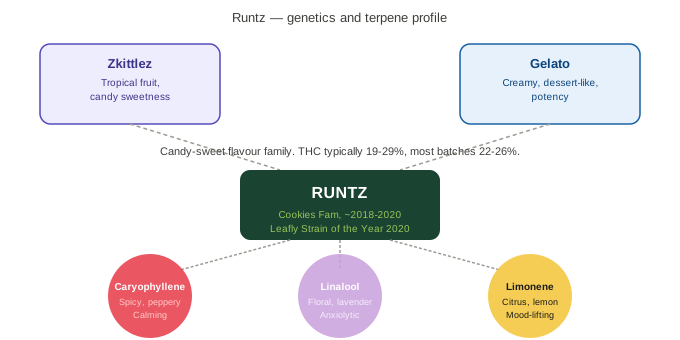
Runtz was created by the Cookies Fam collective in Los Angeles by crossing Zkittlez with Gelato, two of the most celebrated flavour strains in modern cannabis. Zkittlez brings the tropical fruit and candy sweetness while Gelato contributes the creamy, dessert-like smoothness and potency. The combination created something greater than the sum of its parts.
The strain exploded in popularity around 2018 to 2020, driven by social media buzz, celebrity endorsements, and genuine quality. It won Leafly’s Strain of the Year in 2020 and has since become one of the most crossed genetics in the industry, spawning White Runtz, Pink Runtz, Obama Runtz, Runtz Muffin, and dozens of other offspring.
That breeding influence is part of why “Runtz” today refers less to a single strain and more to a flavour family. At least 20 widely recognised named variants exist, with many additional crosses circulating under dispensary house names. If you buy something called Runtz, what you are really buying is a candy-sweet phenotype somewhere in that family tree, and the exact experience depends heavily on which branch you land on.
Taste and Aroma
The terpene profile differs significantly from classics like Blue Dream, prioritising candy-sweet notes over the traditional earthy or diesel flavours that dominated earlier cannabis markets. This is the defining characteristic of the whole Runtz line. Where older classic strains lean toward pine, fuel, or skunk, Runtz leans toward dessert.
Growers and reviewers consistently describe it the same way regardless of which Runtz cross they are smoking. One detailed community review of Rainbow Runtz put it simply: it is very fruity, mostly citrus or lemony, with overtone notes of sour grapefruit or strawberry, something the reviewer called a flavour festival in your mouth.
Super Runtz, a cross with Super Lemon Cherry Gelato, inherits the sweet, candy-like notes from Runtz and the fruity, citrus undertones from its other parent, creating a rich and layered taste experience with a predominant sweetness complemented by subtle citrusy and creamy undertones.
The terpenes responsible for this are worth knowing if you want to predict how a specific Runtz batch will taste and feel. Runtz’s dominant terpenes are beta-caryophyllene, linalool, and limonene, which contribute to its enticing aroma and overall experience. If you want to understand exactly how to read a terpene panel like this one, our terpene profile guide breaks down what each of these three terpenes does individually and in combination.
THC Potency: What the Numbers Actually Mean
This is where Runtz gets confusing, because the THC figures you will see vary enormously depending on the source.
Runtz typically tests between 19% and 29% THC, with most dispensary batches falling in the 22 to 26% range. This places it in the moderate-to-high potency category. While not as extreme as strains like Godfather OG at 25 to 34%, Runtz is potent enough to catch an unprepared user off guard.
Leafly currently lists Runtz at around 21% THC, with minimal CBD, typically under 1%. Other sources quote an average closer to 24%. Meanwhile, Strawberry Runtz is described by Leafly as a 32% THC hybrid cross, and Super Runtz is marketed at 28% THC from its Super Lemon Cherry Gelato x Runtz lineage.
Retail THC labels are often inconsistent, and a 2025 PLOS One study found measured THC values substantially below many reported labels. Consumers should rely on the product’s current Certificate of Analysis rather than a universal strain number, since potency varies substantially by grower, batch, phenotype, and lab.
In practice, treat any number you see for “Runtz” as a starting estimate rather than a guarantee. A 21% THC label and a 26% THC label from two different growers could reflect very similar plants tested by labs with different calibration standards, or genuinely different phenotypes. Either way, the candy-sweet terpene signature is the more reliable identifier of authentic Runtz genetics than the THC percentage on the label.
Effects
Most Runtz crosses are balanced hybrids or indica-dominant, making them great for evening use or relaxation. The reported experience lines up closely with what the terpene profile would predict: caryophyllene and linalool both contribute calming, anti-inflammatory qualities, while limonene adds a mood-lifting layer that keeps the high from being purely sedating.
Runtz offers balanced effects that many users find approachable, though its high THC content makes it potentially overwhelming for complete beginners. New users should start with very low doses, one small puff, or for edibles, 1 to 2.5mg THC, and build up from there.
Super Runtz has garnered praise for its balanced effects and delightful taste. Recreational users appreciate its uplifting yet soothing high, while medical users report relief from its calming properties. This dual quality, social and relaxing at once, is the throughline across nearly every Runtz variant regardless of exact lineage.
What Runtz Looks Like
Part of the appeal of Runtz, beyond taste and effect, is visual. Super Runtz presents a dazzling array of colours, from deep greens to purples, accented by vivid orange pistils. Its buds are dense and frosty, a testament to its rich cannabinoid and terpene profile. The structure reflects a blend of its parent strains, showing a robust, indica-like build with elongated buds.
This visual density is directly connected to the growing challenges below. Dense, frosty, colourful buds are also buds that trap humidity easily, which is the central growing consideration for the whole Runtz family.
How to Grow Runtz
Environment
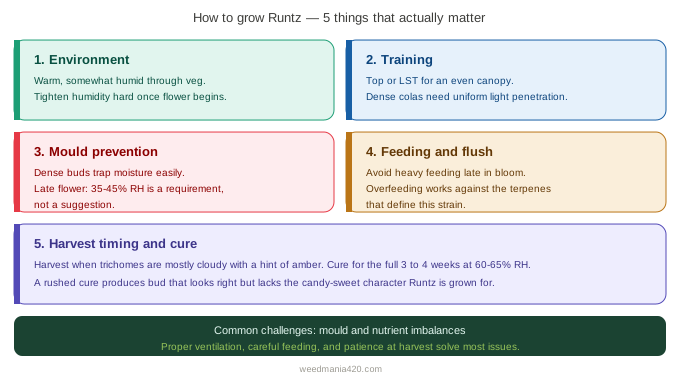
Growing Super Runtz requires specific conditions for optimal yield. It prefers a warm, somewhat humid environment with consistent care. Indoor growers benefit from controlled setups, while outdoor cultivators should ensure ample sunlight and protection from the elements.
The word “somewhat” in that humidity guidance is doing a lot of work. Runtz wants enough humidity through veg to support the dense bud structure it is known for, but that same density becomes a liability in late flower. This is the strain where getting your humidity controller targets right matters more than with looser, airier-budded genetics.
Training
Many Runtz strains benefit from low-stress training or topping to control stretch and maximise bud sites. Training is key for this genetic line specifically because the dense, elongated bud structure that gives Runtz its visual appeal also means uneven canopy height creates uneven light penetration into those dense colas.
A flatter, more even canopy through topping or LST gives every bud site comparable light exposure, which matters more here than with looser sativa-leaning strains.
If you are setting up your light for the first time over a Runtz plant, our grow light hanging guide and the PPFD and PAR guide will help you dial in the intensity that dense flower structures respond best to.
Humidity and Mould Prevention
Common challenges in growing Super Runtz include mould and nutrient imbalances. Preventive measures like proper ventilation and careful feeding can mitigate these issues and support a healthy growth cycle.
Monitor humidity carefully: dense buds combined with high humidity create mould risk. This is the single most repeated growing tip across every Runtz-specific source, and it lines up exactly with the late-flower humidity targets in our VPD chart. For Runtz specifically, treat the late flower 35 to 45% RH range as a requirement rather than a suggestion, and run your oscillating fans to keep air moving through the dense canopy, not just across the top of it.
Feeding and the Flush
Flavour comes from terpenes, and the practical implication is direct: avoid overfeeding late in bloom and flush well to preserve the delicate fruity terpenes that define this strain. Heavy nutrient loads in the final weeks do not just risk nutrient burn, they actively work against the flavour profile that is the entire point of growing Runtz in the first place.
If you are running an organic feeding programme, our top dressing guide covers exactly when to stop adding amendments, which for Runtz should be treated as a hard rule rather than a guideline given how sensitive the terpene profile is to late-stage nutrient stress.
Harvest Timing
Harvest Super Runtz when trichomes are mostly cloudy with a hint of amber. Drying should be done carefully in a controlled environment, followed by a thorough curing process to enhance flavour and potency.
Given how much of Runtz’s appeal is built on flavour rather than raw potency alone, the cure matters more here than with strains people grow primarily for THC numbers. A rushed cure on Runtz produces bud that looks the part but lacks the candy-sweet character that makes the strain worth growing. Budget the full three to four weeks in jars at 60 to 65% RH, the same range covered in our humidity controller guide.
Quick Reference
| Attribute | Detail |
| Genetics | Zkittlez x Gelato |
| Type | Balanced hybrid, often indica-leaning crosses |
| THC range | 19 to 29%, most batches 22 to 26% |
| CBD | Typically under 1% |
| Dominant terpenes | Beta-caryophyllene, linalool, limonene |
| Flavour | Candy-sweet, citrus, fruity |
| Effects | Relaxed, social, mood-lifting without heavy sedation |
| Growing difficulty | Moderate. Training and humidity management required |
| Mould risk | High due to dense bud structure |
| Best for | Evening or social use, flavour-focused growers |
FAQ
Is Runtz indica or sativa? Runtz is a balanced hybrid, born from Zkittlez and Gelato, both of which are themselves hybrids. Most Runtz crosses lean indica-dominant in their effects, which is why the strain is generally recommended for evening or relaxation use rather than daytime productivity.
Why does Runtz THC vary so much between sources? Potency varies by grower, batch, phenotype, and testing lab. Published figures range from around 19% to as high as 32% for variants like Strawberry Runtz. Lab testing standards are not fully standardised, and a 2025 study found measured THC values often fall below reported labels. Always check the current Certificate of Analysis for the specific batch you are buying rather than relying on the strain name alone.
What makes Runtz taste different from other strains? The terpene profile. Beta-caryophyllene, linalool, and limonene combine to produce a candy-sweet, citrus-forward flavour that is distinct from the earthy or diesel notes common in older classic strains. This terpene combination is also what drives the relaxed but social effect profile.
Is Runtz hard to grow? Moderate difficulty. The main challenges are mould prevention due to dense bud structure, training to manage uneven canopy height, and careful feeding in late flower to preserve terpenes. None of these are advanced techniques, but they require more attention than a looser, airier strain would.
Are White Runtz, Pink Runtz, and other variants the same strain? No, they are related crosses within the broader Runtz genetic family, each with its own specific lineage and terpene balance. White Runtz, for example, is currently listed by Leafly at around 18% THC, lower than original Runtz. The candy-sweet flavour signature is the common thread, but expect variation in exact potency and effect between named variants.